
Smart Sensor Wave: The Invisible Touch Changing the Way
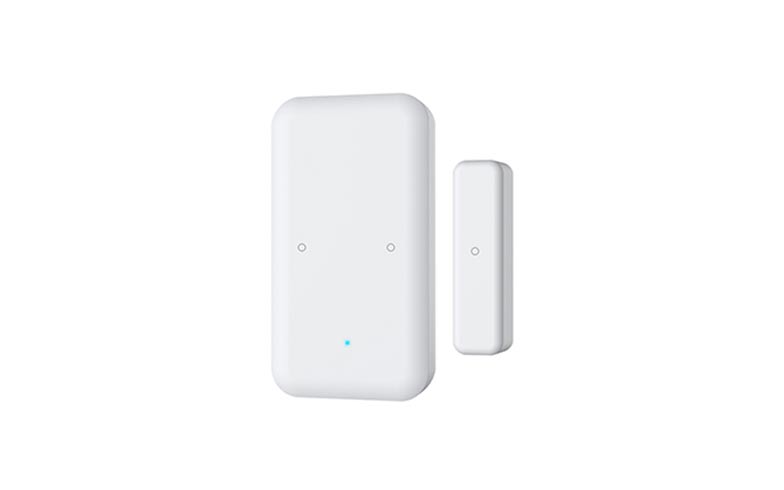
What exactly is a smart sensor wave? How does it work? And more importantly, why should we care? Let’s dive in.
What Is a Smart Sensor Wave?
Understanding the Basics
A smart sensor wave refers to a technology that detects movement, presence, or gestures using low-frequency electromagnetic waves — often microwave or radar-based. These waves bounce off objects in their path, and the sensor calculates how those waves are disrupted. The result? Devices that respond without needing touch, voice, or even light.
Different From Motion Detectors?
Yes and no. Traditional motion detectors rely mostly on infrared (IR) sensing, which requires a noticeable heat signature. In contrast, smart sensor wave technology is much more sensitive and precise. It can even detect minor movements, such as breathing or hand gestures, making it ideal for advanced automation.
How Does It Work?
The Science in Simple Terms
Smart wave sensors emit a continuous or pulsed electromagnetic signal. When a person or object enters the detection zone, the signal reflects back differently. The sensor analyzes this change using algorithms, often enhanced by AI, and then triggers an action — such as turning on a light, opening a door, or adjusting the temperature.
Why Wave Instead of Infrared?
Unlike infrared, wave-based sensors are not affected by darkness, smoke, or heat. They work through walls, fabric, and glass — offering more flexibility. This is why they’re becoming the preferred choice in modern home and industrial automation systems.
Key Applications in Daily Life
Smart Homes That “Feel” You
Picture this: You walk into a room, and the lights turn on softly. The air purifier starts humming. Your favorite playlist fades in. You never touched a thing. That’s smart sensor wave at work — enabling truly hands-free living.
Health Monitoring Without Wearables
Believe it or not, wave sensors are now used to detect breathing patterns, heartbeats, and even falls — all without physical contact. This makes them incredibly useful in elder care, baby monitoring, and sleep analysis.
Smarter Workspaces and Buildings
In office buildings, smart sensor wave helps manage lighting, HVAC, and security. It reduces energy waste by turning off systems in unused rooms, making operations more efficient and eco-friendly.
Benefits That Go Beyond Convenience
Hygiene and Safety
Touchless control is no longer just a luxury — it’s a necessity. In hospitals, public restrooms, and kitchens, smart wave sensors help reduce the spread of germs. Simply waving your hand to open a door or dispense water can prevent thousands of potential infections.
Energy Efficiency
Smart sensor waves enable more accurate and dynamic energy control. Lights don’t stay on when no one’s around. Air conditioners run only when necessary. Over time, this leads to significant cost savings and a smaller carbon footprint.
Accessibility and Inclusion
These sensors also open doors (literally and figuratively) for people with disabilities or limited mobility. With simple gestures, they can control their environment with greater ease and independence.
Limitations to Keep in Mind
Of course, no technology is perfect. Smart sensor waves can sometimes be too sensitive, triggering devices when not intended. Also, because they rely on complex signal processing, their performance can be affected by interference from other devices. However, improvements in sensor design and signal filtering are addressing many of these issues.
What’s Next for Smart Sensor Wave?
As artificial intelligence continues to evolve, smart sensors are becoming even smarter. Future versions may be able to distinguish between individuals, recognize emotional states through body movement, or interact with multiple devices simultaneously.
Moreover, as more IoT ecosystems adopt this technology, we’re likely to see broader standardization — making smart sensor wave a core part of how we interact with the world around us.
Final Thoughts
Smart sensor wave isn’t just another tech buzzword — it’s a silent revolution. It offers a cleaner, safer, and more responsive way of living, working, and caring for others. Whether you’re a homeowner looking for automation or a business aiming to optimize operations, this invisible helper might be your smartest upgrade yet.



