
Smart Toggle Switch: A Practical Upgrade for Modern Homes
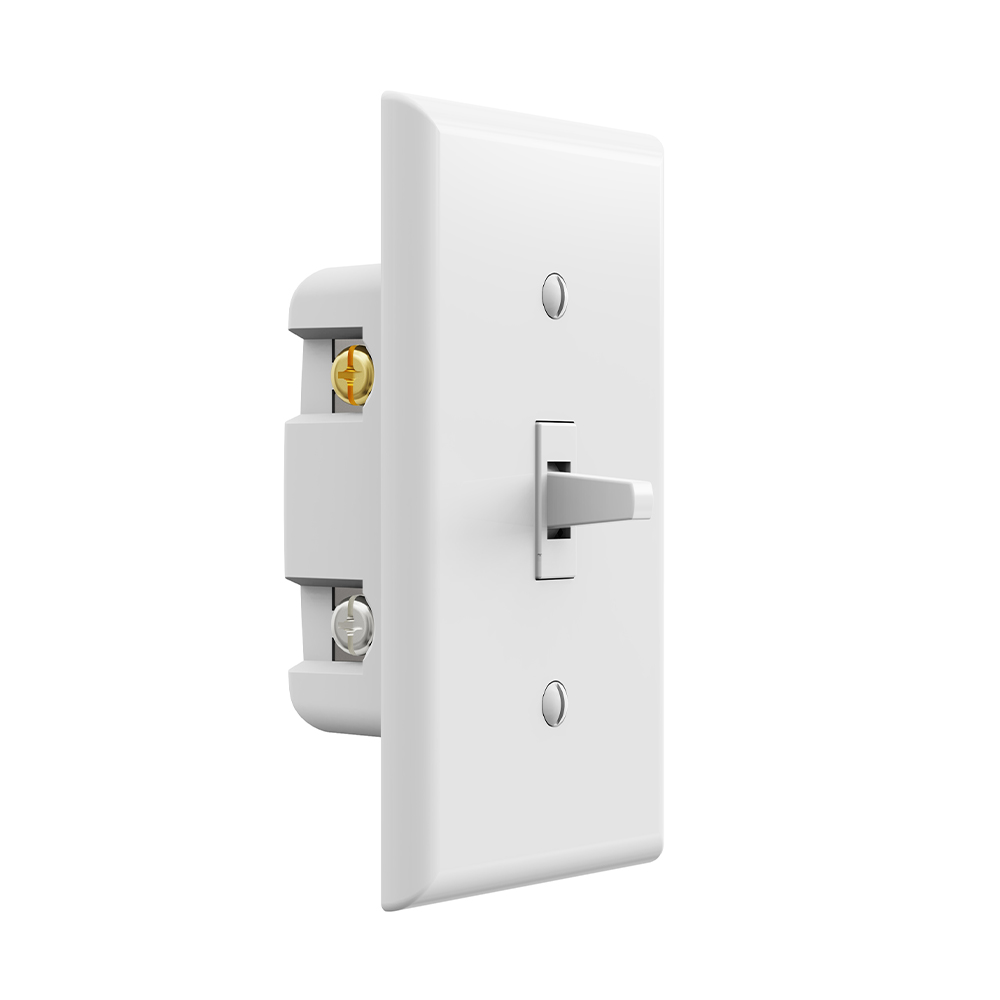
In this article, I will explain what a smart toggle switch is, how it works, why it makes sense for real homes, and who should seriously consider installing one.
What Is a Smart Toggle Switch?
A smart switch looks and feels similar to a traditional toggle-style wall switch, but it connects to your smart home ecosystem. In other words, you still flip the switch up and down as usual, but behind the scenes it can also be controlled remotely through an app, voice assistant, or automation system.
Unlike touch panels or app-only controls, a smart switch respects how people already interact with lighting. That familiarity is its biggest strength. Anyone can walk into the room and use it immediately—no explanation needed.
How a Smart Toggle Switch Works
At its core, a smart switch replaces a standard mechanical switch. However, it adds a control module that communicates with your smart home hub or network. As a result, you get two layers of control:
-
Physical control using the toggle, just like a traditional switch
-
Smart control via phone apps, schedules, scenes, or voice commands
Because of this dual-control design, the smart toggle switch avoids one of the most common smart home frustrations: switches that stop working when the app fails or the network drops.
Why a Smart Toggle Switch Makes More Sense Than Smart Bulbs
Many people start their smart home journey with smart bulbs. However, over time, limitations become obvious. This is where a smart switch clearly wins.
First, a smart switch controls the entire circuit, not just one bulb. That means you can upgrade a whole room at once. Second, it prevents the classic problem where someone turns off the wall switch and disables smart control completely. With a smart toggle switch, the wall switch is the smart control.
Most importantly, it feels natural. Guests, children, and elderly family members do not need to learn anything new.
Key Benefits of Using a Smart Toggle Switch
1. Familiar User Experience
People are already used to toggle switches. A smart switch preserves that habit while adding intelligence behind the scenes.
2. Reliable Manual Control
Even if your Wi-Fi or hub goes offline, the switch still works. That reliability matters more than most marketing pages admit.
3. Automation Without Complexity
You can easily set schedules, timers, or scenes. For example, lights can turn off automatically at night, yet still respond instantly when toggled manually.
4. Cleaner Wall Aesthetics
Compared to touch panels or oversized smart controllers, a smart switch keeps the wall looking normal and uncluttered.
Installation Considerations You Should Not Ignore
Before installing a smart switch, you should confirm a few practical details.
First, check whether your wiring includes a neutral wire. Many smart toggle switches require one, especially for stable operation. Second, verify compatibility with your existing smart home platform. Not all switches support the same protocols.
Lastly, think about usage habits. If the switch controls outdoor lights, stair lighting, or frequently used rooms, the upgrade delivers immediate value.
Who Should Choose a Smart Toggle Switch?
A smart switch is ideal if you want smart functionality without changing daily behavior. It is especially suitable for:
-
Homes with multiple users
-
Rental properties that need simple operation
-
Renovations where classic switch styles are preferred
-
Smart homes focused on reliability, not gimmicks
In contrast, if you enjoy experimenting with screens, gestures, or advanced interfaces, you might prefer other control methods. However, for most households, simplicity wins.
Final Thoughts on the Smart Toggle Switch
The smart home industry often chases novelty, but real adoption depends on practicality. A smart switch succeeds because it respects existing habits while quietly improving convenience, efficiency, and control.



