
Zigbee Dimmers: The Smart Way to Control Your Lighting
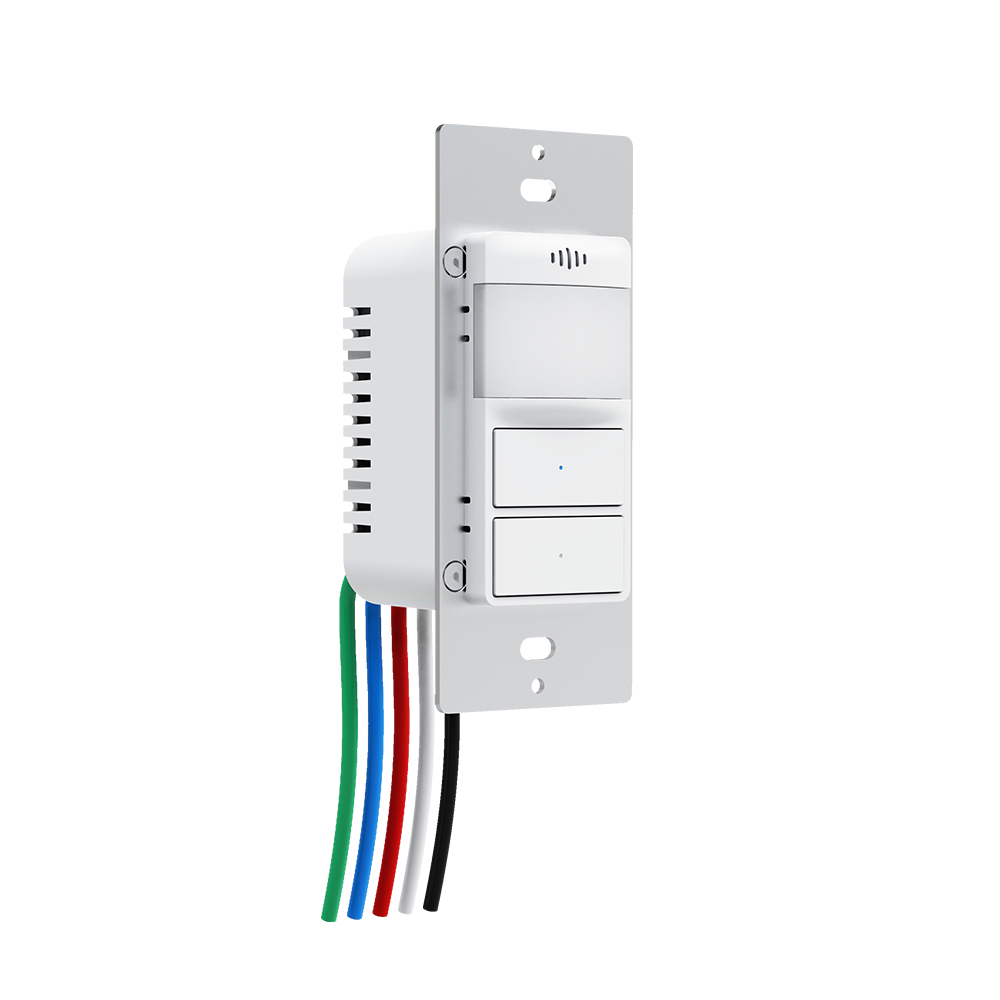
Zigbee dimmers are type of smart lighting device that allows you to wirelessly control the brightness of your lights using the Zigbee communication protocol. Unlike traditional dimmers that rely solely on manual wall switches, a Zigbee dimmer connects your lights to a smart home ecosystem, enabling remote and automated control through apps, voice assistants, or hubs.
In simple terms, it’s the bridge between your lighting system and your smart home network. Zigbee dimmers communicate with a central hub—like a smart home gateway—using low-energy signals, which makes them highly efficient and reliable.
How Zigbee Dimmers Work
Zigbee dimmer work by sending and receiving signals through a Zigbee mesh network. Each device in the network acts as a repeater, meaning the more Zigbee devices you have, the stronger your overall connection becomes.
When you use your phone or voice assistant to adjust a light’s brightness, the Zigbee hub sends a command to the dimmer, which then adjusts the voltage supplied to the light fixture. The response is nearly instantaneous, providing smooth dimming without flickering or delay.
Because Zigbee uses very little power, it’s perfect for creating a stable and energy-efficient smart lighting system.
Benefits of Using Zigbee Dimmers
Zigbee dimmers offer several advantages that make them a popular choice for smart homes:
-
Reliable Connectivity – Zigbee networks are known for their stability. Even if your Wi-Fi goes down, your Zigbee dimmer can still communicate through the mesh network.
-
Energy Efficiency – Dimming your lights doesn’t just set the mood—it reduces power consumption, extending bulb life and lowering electricity bills.
-
Smart Home Integration – Most Zigbee dimmers work seamlessly with popular smart home ecosystems like Alexa, Google Assistant, and SmartThings.
-
Smooth Lighting Control – Unlike some Wi-Fi dimmers that may lag, Zigbee dimmers provide instant response and smooth light transitions.
-
Scalability – You can easily expand your Zigbee lighting network without overloading your Wi-Fi router, since Zigbee operates on a separate frequency.
Zigbee Dimmer vs. Wi-Fi Dimmer: What’s the Difference?
Both Zigbee and Wi-Fi dimmers allow smart lighting control, but they differ in how they connect. A Wi-Fi dimmer connects directly to your router, which can limit the number of devices you can control at once. On the other hand, a Zigbee dimmer communicates through a dedicated hub, creating a network that’s faster, more stable, and less prone to interference.
If you’re building a large smart home setup, Zigbee dimmers are often the better long-term choice because they can handle many devices without affecting internet speed.
Installation and Compatibility
Installing a Zigbee dimmer is similar to setting up a regular dimmer switch, but with a few extra steps. After wiring it into your wall switch, you’ll pair it with your Zigbee hub by following the pairing instructions in your smart home app.
Most Zigbee dimmers are compatible with LED, incandescent, and halogen bulbs, but it’s always best to check the specifications before installation. Some models even allow you to customize minimum and maximum brightness levels to avoid flickering.
Why Choose a Zigbee Dimmer for Your Smart Home
If you’re serious about creating a connected home that’s efficient and responsive, Zigbee dimmers are a smart investment. They combine reliability, low energy use, and flexibility—all while giving you precise control over your home’s lighting environment.
Whether you want to set a relaxing evening scene, wake up to a gentle sunrise simulation, or manage energy usage more effectively, a Zigbee dimmer gives you the control you need—all at the touch of a button or the sound of your voice.
Final Thoughts
The world of smart lighting is growing fast, and Zigbee dimmers are leading the way in creating comfortable, customizable, and energy-efficient homes. They’re simple to install, easy to integrate, and incredibly dependable.



