
ZWave Motion Sensor: A Smart Upgrade for Every Home
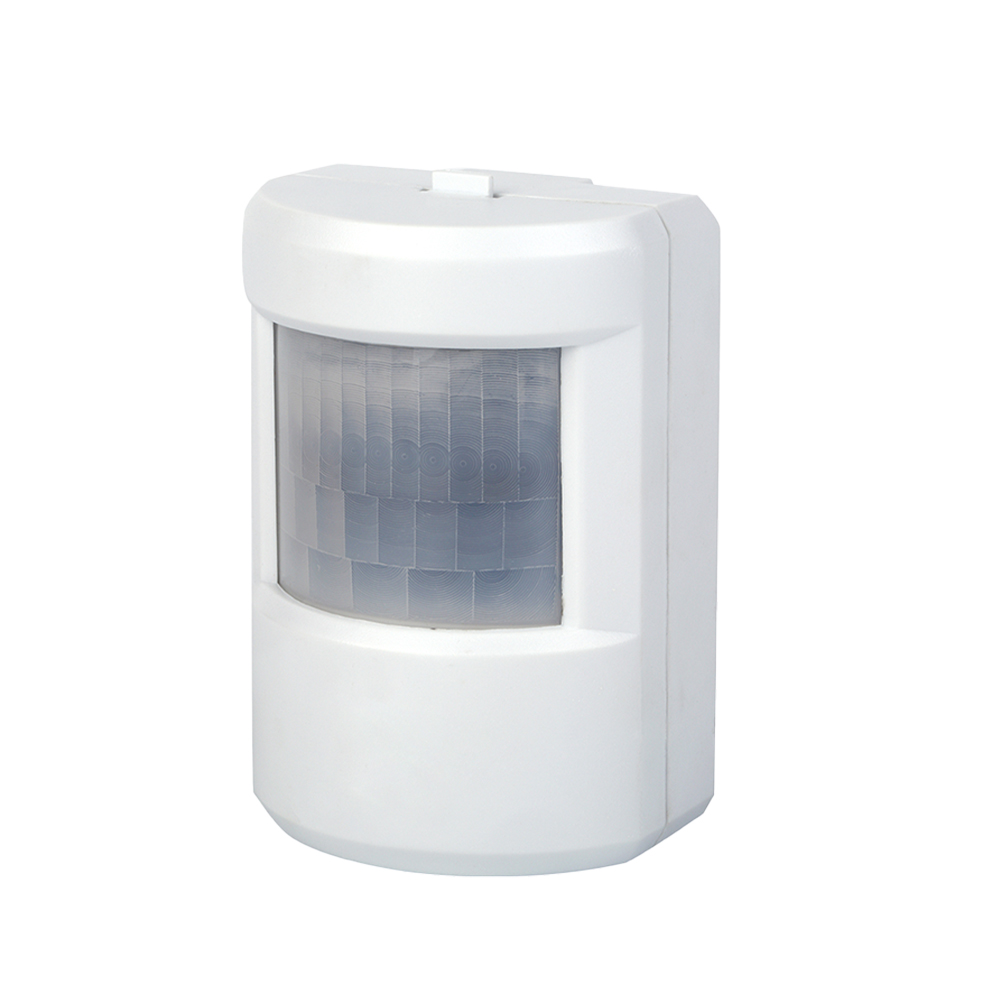
ZWave motion sensor stands out as one of the most practical. Whether you want to boost home security, save energy, or simply enjoy more convenience, this small device can make a big difference.
What Is a ZWave Motion Sensor?
At its core, a Z-Wave motion sensor is a smart device designed to detect movement in a room or specific area of your home. Unlike traditional motion detectors, it communicates using Z-Wave technology, a wireless protocol built for smart home automation. This allows it to connect seamlessly with a wide range of compatible devices such as smart lights, alarms, cameras, or thermostats.
The result? A connected ecosystem where your devices “talk” to each other, creating an automated experience that saves time and effort.
How Does a ZWave Motion Sensor Work?
When the sensor detects movement, it sends a signal through your Z-Wave hub. From there, the hub can trigger any action you’ve set up. For instance, if you walk into a dark hallway at night, the sensor can automatically turn on the lights. Similarly, if unexpected movement is detected while you’re away, it can send an alert to your phone or activate a siren.
Because Z-Wave is designed for low power consumption and reliable communication, these sensors are both efficient and long-lasting.
Key Benefits of Using a ZWave Motion Sensor
1. Enhanced Home Security
One of the most popular uses of a ZWave motion sensor is to improve security. When paired with cameras or alarms, it acts as the first line of defense against intruders. You’ll be notified instantly if something unusual happens, even if you’re miles away.
2. Energy Savings
Smart lighting is another major advantage. Imagine never having to worry about leaving the lights on again. With motion-based triggers, lights only stay on when needed, helping reduce electricity bills.
3. Increased Convenience
From turning on fans when someone enters a room to adjusting thermostats automatically, these sensors make daily life smoother. They essentially eliminate small but repetitive tasks, giving you more time to focus on what really matters.
4. Flexible Integration
Thanks to the Z-Wave protocol, you’re not locked into one brand or product line. Your Z-Wave motion sensor can work with a wide variety of smart devices, offering flexibility and future-proofing your smart home setup.
Where Can You Use a ZWave Motion Sensor?
The beauty of this technology is its versatility. You can place sensors in hallways, living rooms, garages, or even outdoor areas (depending on the model). Some people even use them to monitor elderly family members for safety, ensuring prompt responses if unexpected movements—or lack thereof—occur.
Final Thoughts
Adding a ZWave motion sensor to your home isn’t just about tech—it’s about comfort, safety, and peace of mind. Whether you’re starting small with smart lights or building a full security system, this device plays a central role in making your home smarter and more responsive.



