
ZWave Motion Sensors: The Smart Way to Automate Your Home
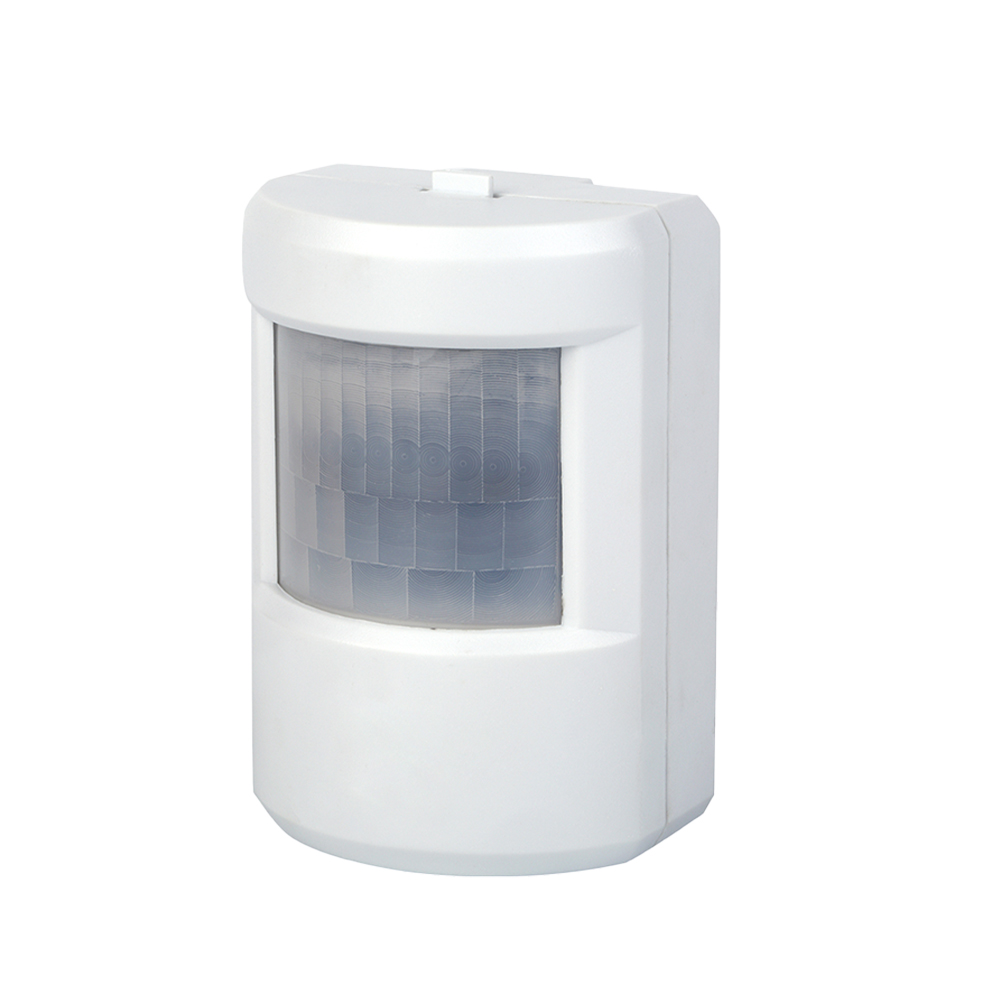
When it comes to creating a smart home, ZWave motion sensors are often one of the first devices people consider. These small but powerful gadgets go beyond detecting movement—they can enhance security, improve energy efficiency, and add convenience to everyday life. Whether you’re new to smart home technology or already have a system in place, understanding how ZWave motion sensors work and what they can do for you is essential.
What Are ZWave Motion Sensors?
ZWave motion sensors are wireless devices that use the Z-Wave communication protocol to detect movement. Unlike Wi-Fi or Bluetooth, Z-Wave operates on a low-energy, long-range radio frequency that helps devices in your home connect seamlessly. Because of this, motion sensors using Z-Wave are often more reliable, with fewer dropouts and less interference.
In simple terms, a Z-Wave motion sensor is a small device that can tell when someone is moving around a room and then send that information to your smart home hub. From there, you can trigger actions like turning on lights, sending an alert to your phone, or activating a security camera.
Why Choose ZWave Motion Sensors Over Other Options?
There are many types of motion sensors on the market, but Z-Wave motion sensors offer several advantages:
-
Extended Range: With mesh networking, each Z-Wave device strengthens the signal, allowing motion sensors to cover larger homes.
-
Energy Efficiency: Z-Wave technology consumes less power, meaning longer battery life for your sensors.
-
Compatibility: These sensors can connect to a wide range of Z-Wave hubs and controllers, making integration smooth.
-
Reliability: Because Z-Wave operates on a different frequency than Wi-Fi, there’s less risk of interference.
In short, Z-Wave motion sensors provide a balance of reliability, efficiency, and flexibility that makes them stand out from other wireless technologies.
How Can ZWave Motion Sensors Improve Everyday Life?
One of the best parts about Z-Wave motion sensors is how versatile they are. Here are a few common ways people use them:
-
Home Security: Get instant alerts when unexpected movement is detected, even if you’re away.
-
Smart Lighting: Have your lights turn on automatically when you enter a room and turn off when no motion is detected.
-
Energy Savings: Prevent wasted electricity by making sure lights or appliances are only on when needed.
-
Convenience: Program routines, such as turning on a nightlight when you get up during the night.
With these sensors, your home becomes more responsive and efficient without requiring constant manual control.
Tips for Getting the Most Out of Your ZWave Motion Sensors
To make sure you’re getting maximum benefits, here are a few practical tips:
-
Placement Matters: Install sensors at a height where they can detect motion without being blocked by furniture.
-
Test Before Finalizing: Walk through the area after installation to make sure the sensor detects movement as expected.
-
Integrate with Other Devices: Pair your motion sensors with smart locks, thermostats, or cameras for a more complete automation setup.
-
Adjust Sensitivity: Many Z-Wave motion sensors allow you to fine-tune sensitivity so they don’t trigger unnecessarily.
Final Thoughts
Z-Wave motion sensors are one of the most effective tools for bringing your home automation and security system to life. They are reliable, energy-efficient, and highly adaptable to different needs. Whether you want to increase security, cut energy costs, or simply make daily living easier, adding a few Z-Wave motion sensors to your setup is a smart move.



